LinkedIn Content Automation in 2026: Real Problems and Proven Systems for B2B Leaders
LinkedIn organic reach has dropped 50% in 2026—while founders, consultants, and solopreneurs face mounting pressure to stay visible. This practical guide explains the verifiable structural problems in LinkedIn content creation and shares actionable systems for sustainable, automated growth.
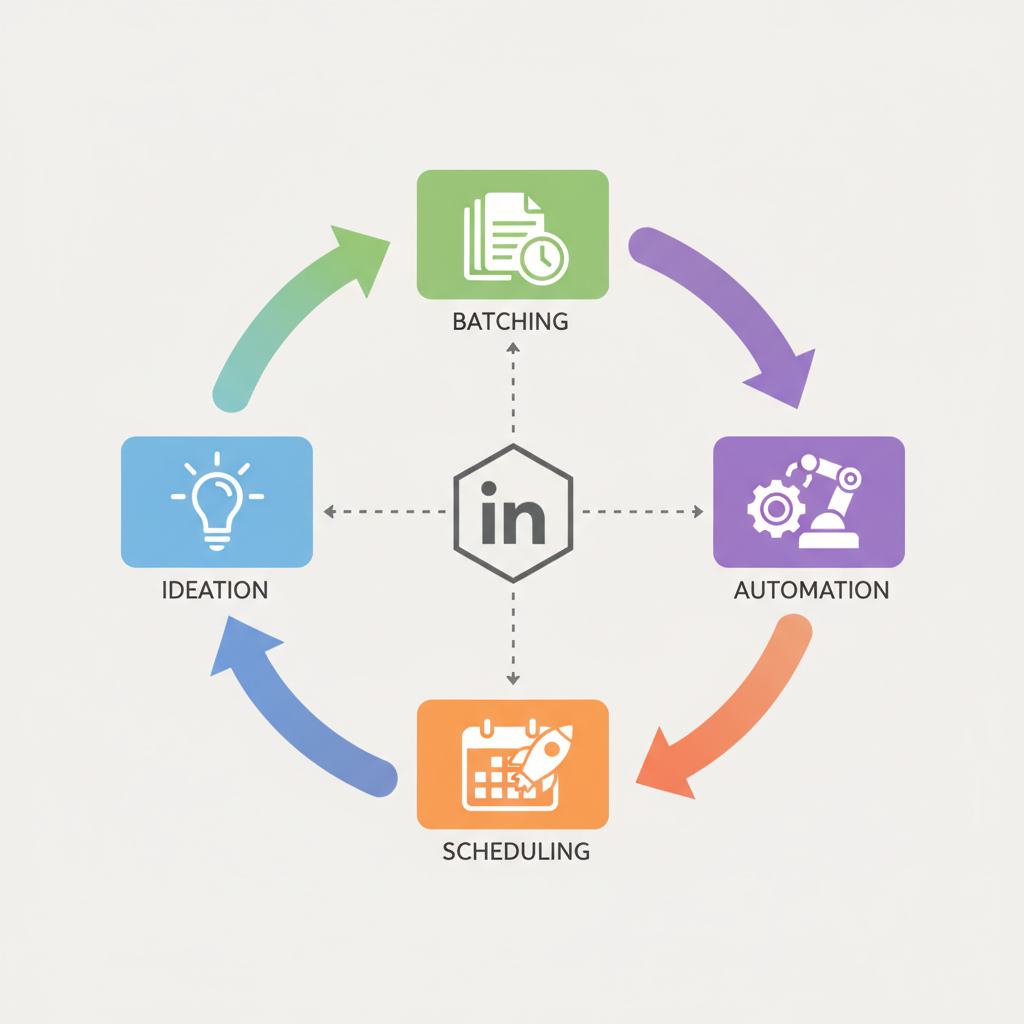
LinkedIn Content Automation in 2026: Real Problems and Proven Systems for B2B Leaders
As the demand for authority and trust-building on LinkedIn intensifies in 2026, B2B founders, consultants, solopreneurs, and content-driven SaaS users face sharp new challenges. Organic reach has dropped by 50% post-algorithm overhaul, and time-consuming content processes are pushing many creators towards burnout. The solution for competitive visibility is no longer "work harder," but to rethink workflows, systems, and automation. This guide provides data-backed insights into the current landscape—and gives actionable recommendations for sustainable LinkedIn growth.
The Structural Challenges: LinkedIn Content in 2026
High Time Demands
Manual, ad hoc content creation averages over 5 hours per week for most professionals. Even disciplined batching systems require 3–4 hours weekly, with each post taking up to an hour from ideation through editing and scheduling. For founders and solopreneurs without content teams, the strain is clear.
Inconsistency and Workflow Gaps
Recent studies reveal that 64% of B2B marketers struggle with consistent content output due to a lack of documented workflows. Top performers stick to 3–5 posts per week using predefined content pillars. However, most creators cite “blank screen paralysis” and topic fatigue as core obstacles, amplified by publishing pressure and the unpredictability of viral reach.
Burnout is Real—and Rising
Random, last-minute content creation leads to exhaustion and inconsistent results. The 2026 algorithm prioritizes authentic, expertise-driven posts, punishing shortcuts and surface-level engagement tactics. This has shifted the stress to delivering high-value, niche content—without amplifying mental load. For consultants and thought leaders, the pressure to “always be posting” is a recipe for burnout unless systems intervene.
Why Reach and Engagement Are Plummeting
Organic reach on LinkedIn is down 50% in 2026. Text posts now average under 2% engagement. Meanwhile, document formats (like carousels or PDFs) hit 6.6% engagement, and video performs 36% better than last year. Algorithm changes penalize link sharing and off-platform promotions, while batching and content systems become critical for visibility in the feed.
- Text: <2% engagement
- Documents: 6.6% engagement, outperforming video and text
- Video: 5.6–6% engagement, with 36% YoY growth
- Links: Reach penalized by 60% or more
Consistency Signals Expertise
LinkedIn’s 2026 algorithm expects at least 80% of your posts to sit inside 3 core topics. Scattered or random posting leads to algorithmic suppression, making system-driven consistency a non-negotiable for founders or service businesses aiming to build authority and drive inbound demand.
Why Systems and Automation Are Non-Negotiable
- Creators with systemized batch workflows save up to 70% on content time, dropping from 5 to 3 hours per week.
- Automated scheduling and templates enable 3–5 posts/week without "what do I write today?" delays.
- Engagement rates jump from 1.5% to over 4% with regular, niche-focused publishing.
- Consistent content is proven to increase follower growth and trust—stable systems mitigate burnout and last-minute anxiety.
The bottom line: Sustainable LinkedIn authority in 2026 is a systems problem, not a creativity problem.
Actionable Steps: Building a LinkedIn Content System That Works in 2026
1. Batch Your Content Creation
Set aside weekly time blocks (ideation, drafting, editing) and create 1–2 weeks of posts at a time. This reduces blank-screen stress and increases consistency.
2. Use 3–5 Content Pillars
Define your core expertise areas. Every post connects to one pillar, sending strong algorithmic signals and making planning easier.
3. Automate Scheduling and Formats
Leverage tools that enable batch scheduling and support high-engagement formats (documents, video). Reserve 20–30 minutes a week for performance analysis—optimize based on what’s working now, not last year’s tactics.
4. Track Your Metrics
Monitor engagement rates, reach, and pillar alignment every week. Adjust systems—not just content—to keep consistency scalable as you grow.
Systematized Success: The New Competitive Edge
The creator economy’s most successful B2B profiles no longer rely on creative brilliance or constant hustle. They utilize repeatable systems, time-saving workflows, and strategic automation to build audience authority at scale—without sacrificing mental clarity or work-life balance.
From Theory to Practice: How Beamio Bridges the Gap
All the strategies above are powerful, but execution is where most busy professionals still fall short. This is why platforms like Beamio are rapidly gaining traction among founders, consultants, and solopreneurs. Beamio automates every step of LinkedIn posting—from personalized content generation through scheduling—ensuring 100% alignment with your LinkedIn pillars and maximizing consistency without manual effort.
If you’re ready to turn content chaos into a systemized growth engine, see how Beamio delivers automated, fully-personalized LinkedIn content publishing at beamio.io.
Read Next
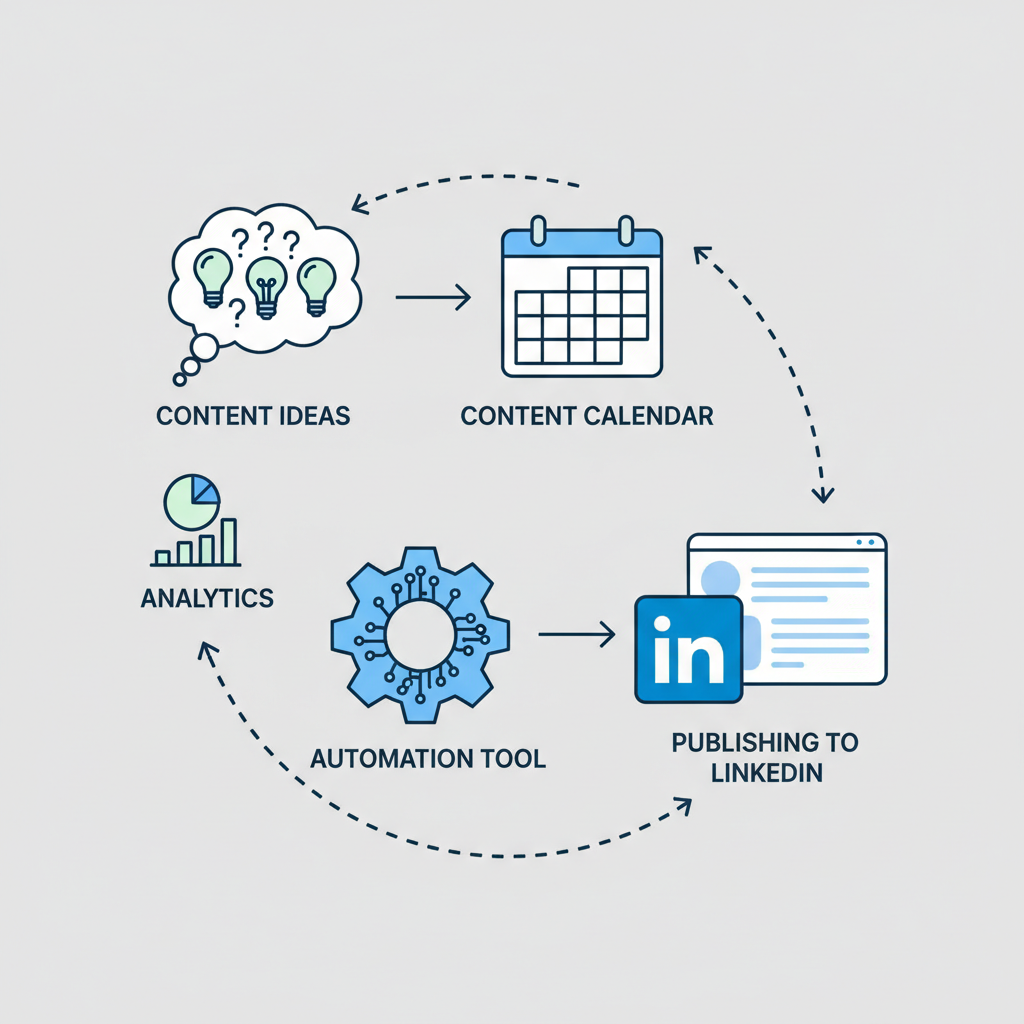
Optimizing LinkedIn Posting in 2026: Automation and Workflow Strategies for B2B Founders
Jan 19, 2026
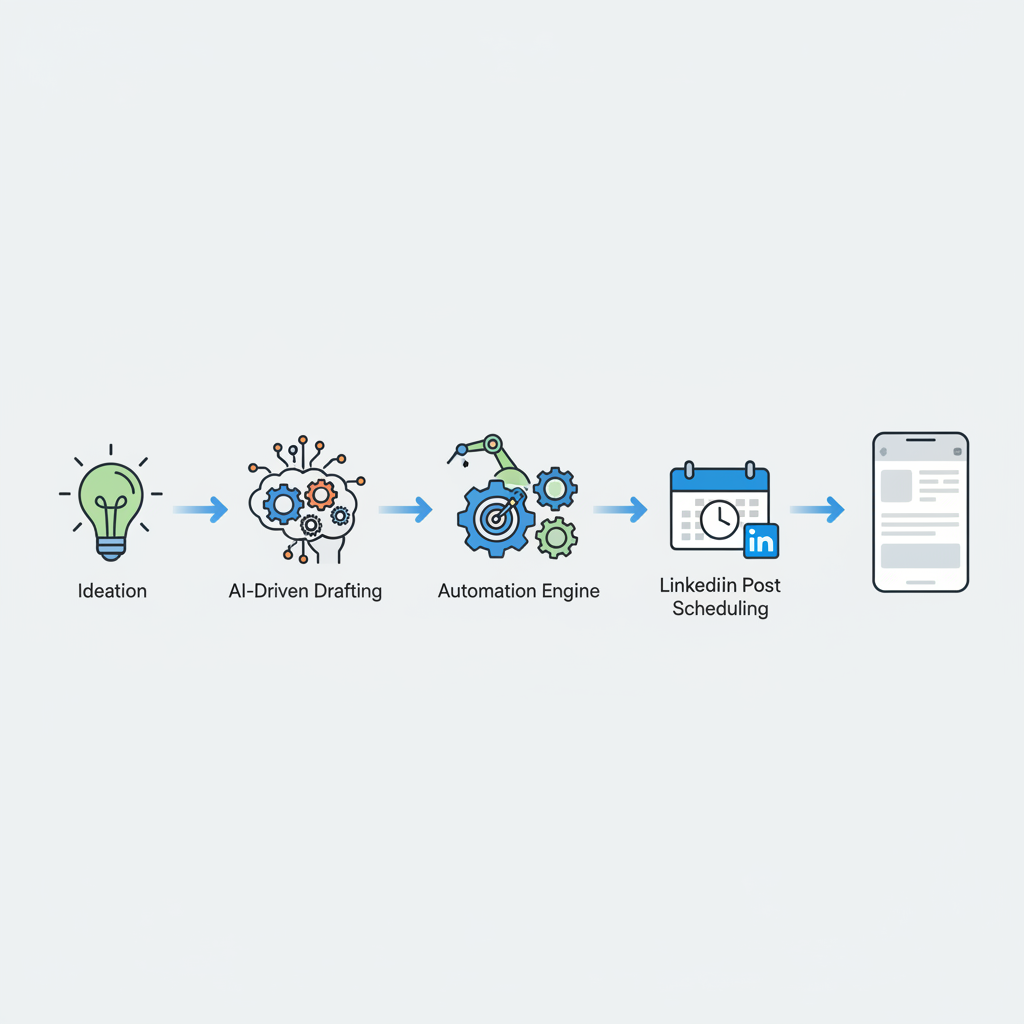
LinkedIn Content Systems in 2026: Automation, Consistency & AI for B2B Growth
Jan 20, 2026
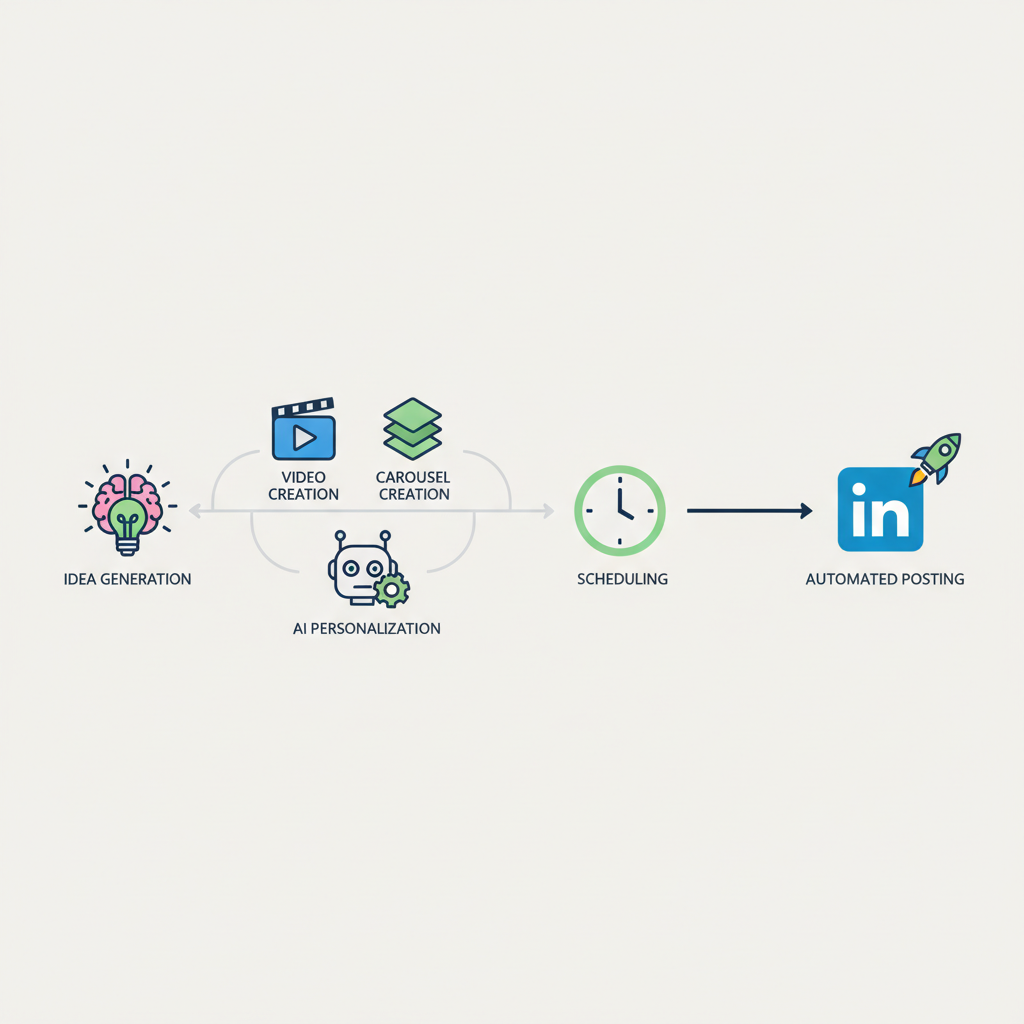
LinkedIn Content Consistency in 2026: Workflow Automation for Founders, Consultants, and Solopreneurs
Jan 21, 2026